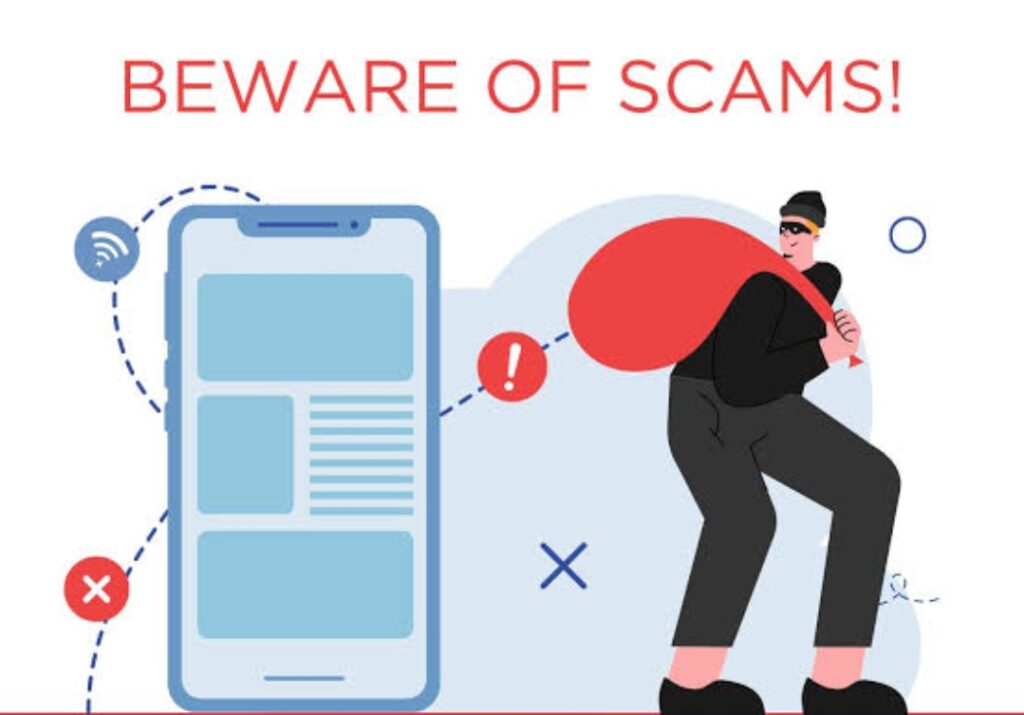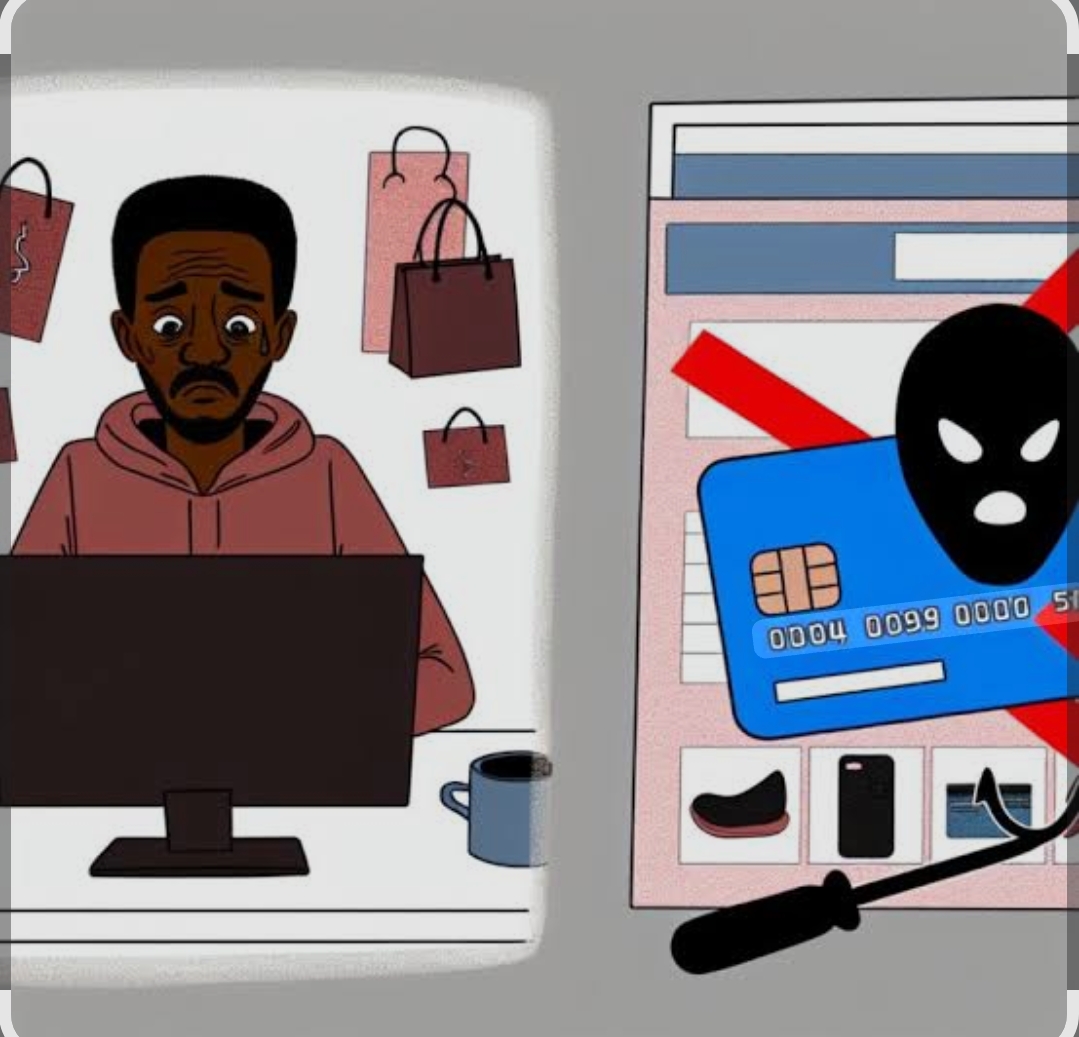
In today’s digital world, banking has become easier and more convenient than ever. People can transfer money, pay bills, and manage accounts using mobile phones or computers. However, this convenience has also created new opportunities for criminals to carry out banking scams.
Banking scams are fraudulent schemes designed to trick people into revealing their financial information or sending money to criminals. Every year, millions of people lose money to these scams, often because the fraudsters appear trustworthy or create a sense of urgency.
What Is a Banking Scam?
A banking scam is a type of fraud in which criminals attempt to steal money or financial information from individuals by pretending to be legitimate institutions, such as banks or financial service providers.
Scammers may use
_ emails.
_ phone calls.
_ text messages.
_ fake websites.
_ social media.
to deceive their victims. Once they gain access to sensitive information such as
_passwords.
_account numbers.
_ verification codes,
they can withdraw money or commit financial fraud.
Common Types of Banking Scams
1: ATM Skimming
ATM skimming occurs when criminals install small devices on ATM machines to capture card information when customers insert their cards.
These devices can record card numbers and PIN codes.
Scammers then use this information to create duplicate cards and withdraw money from victims’ accounts.
How to Avoid It
1: Use ATMs located in secure and well-lit areas.
2: Cover the keypad when entering your PIN.
3: Inspect the ATM card slot before inserting your card.
2: Fake Bank Calls
In this scam, fraudsters call victims pretending to be bank representatives. They may claim that there is suspicious activity on the account and ask the customer to confirm their banking details.
Because the caller sounds professional and urgent, many victims reveal sensitive information.
How to Avoid It
_ Never share your PIN.
_ password, or verification codes over the phone.
_ Hang up and call your bank using the official number.
_ Remember that real banks rarely ask for confidential information over the phone.
3: SMS Banking Scams
Text message scams are becoming increasingly common. Victims receive messages claiming that their bank account has been blocked or that urgent action is required.
The message may include a phone number or link that leads to the scammers.
How to Avoid It
_ Do not respond to suspicious messages.
_ Verify information through your bank’s official channels.
_ Delete messages that request personal banking information.
Warning Signs of Banking Scams
Many scams share common warning signs that can help people identify fraudulent activity.
Some of the most common red flags include:
_ Urgent messages demanding immediate action.
_ Poor spelling and grammar in official-looking messages.
_ Suspicious links or attachments.
_ Requests for passwords, PINs, or verification codes.
If you notice any of these signs, it is best to avoid responding and verify the information through trusted sources.
What to Do If You Become a Victim
If you suspect that you have been targeted by a banking scam, you should act quickly to minimize the damage.
1:First, contact your bank immediately and inform them about the situation. They may be able to freeze your account or block unauthorized transactions.
2: First, contact your bank immediately and inform them about the situation. They may be able to freeze your account or block unauthorized transactions.
3: Next, change your online banking passwords and secure your accounts. It is also advisable to monitor your bank statements regularly to detect any suspicious activity.
Finally, report the scam to relevant financial authorities or consumer protection agencies.
The Role of Banks in Preventing Fraud
Banks are constantly improving their security systems to protect customers from scams. Many banks now use advanced technologies such as multi-factor authentication, fraud detection systems, and encryption to secure financial transactions.
However, customer awareness remains one of the most important defenses against banking fraud. By staying informed and cautious, individuals can significantly reduce their risk of becoming victims.
Conclusion
Banking scams are a growing threat in the digital age, but they can often be prevented through awareness and caution. Criminals rely on deception and urgency to trick victims into revealing sensitive information.
Staying vigilant, verifying suspicious communications, and following safe banking practices are essential steps in safeguarding your money in today’s digital banking environment.