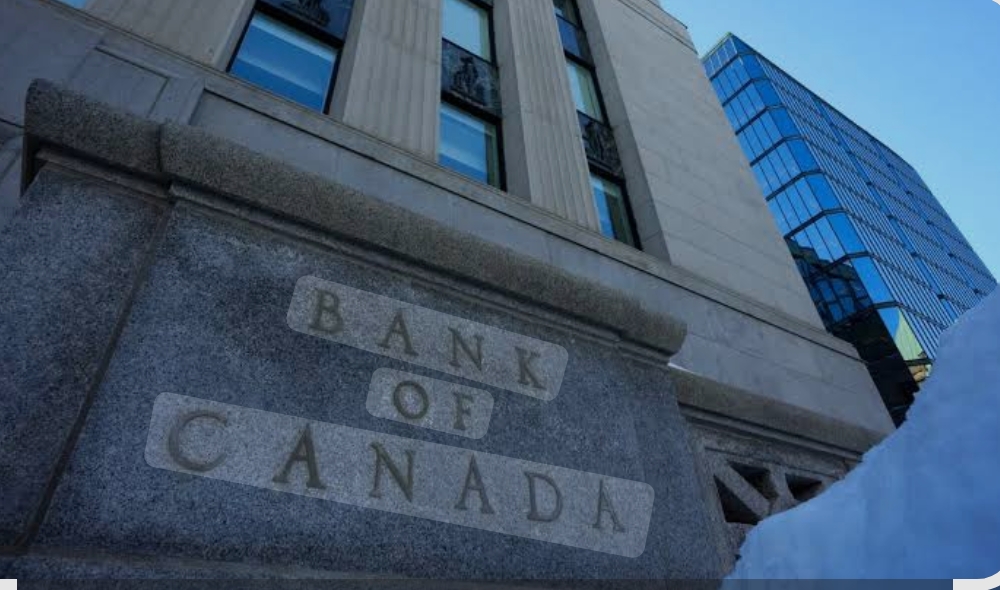
These points will explain how the Canadian banking system works and what makes it different from many other countries.
1. Canada Has One of the Safest Banking Systems.
banks are heavily regulated by the government through the Office of the Superintendent of Financial Institutions (OSFI).
The banking system in Canada is considered one of the most stable in the world.
2. A Few Big Banks Dominate the Market
Most banking services in Canada are controlled by the “Big Five” banks:
_ Royal Bank of Canada
_ Toronto-Dominion Bank
_ Bank of Nova Scotia
_ Bank of Montreal
_ Canadian Imperial
_ Bank of Commerce
These banks provide services like
_ savings accounts
_ loans
_ credit cards
_ mortgages
_ investment services.
3.Banking Fees Are Common
Unlike some other countries, many banks in Canada charge monthly account fees.
These may include:
_ Account maintenance fees
_ ATM withdrawal fees
_ Overdraft fees
However, some banks waive fees if you maintain a minimum balance.
4: Online and Mobile Banking Is Very Advanced
Canada has a strong digital banking system.
Most banks provide:
_ Mobile banking apps
_ Online money transfers
_ Bill payments
_ Mobile cheque deposits
5: Canada Uses a Strong Payment Network
Debit payments are widely used through the Interac Association network.
This system allows Canadians to pay directly from their bank accounts in stores and online.
6: Credit History Is Very Important
In Canada, your credit score plays a big role in financial life.
It affects:
_ Loan approval
_ Credit card approval
_ Mortgage rates
_ Rental applications
Credit scores are tracked by agencies like Equifax and TransUnion.
7: Interest Rates Are Controlled by the Central Bank
The Bank of Canada sets the country’s monetary policy and influences interest rates.
When rates rise or fall, it affects loans, mortgages, and savings accounts across the country.