
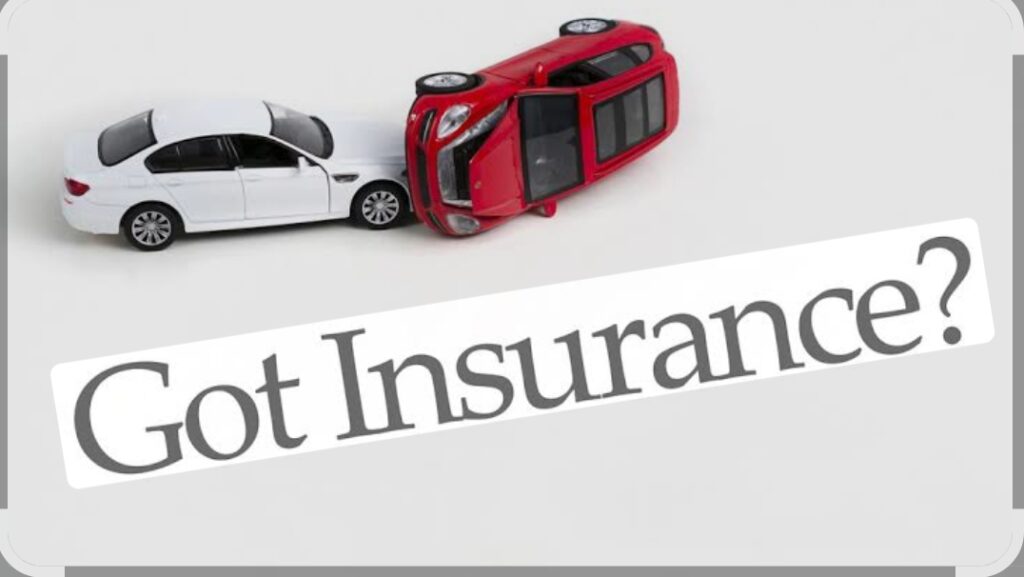
Car insurance is one of the most important protections every vehicle owner should have.
It helps protect drivers from financial losses caused by
_accidents,
_theft,
_natural disasters,
_or damage to other people’s property.
Understand the Types of Car Insurance Coverage.
The first step in choosing the right car insurance policy is understanding the different types of coverage available.
_Third-party insurance. is the most basic type of car insurance. It covers damages or injuries caused to another person, their vehicle, or property in an accident where you are at fault. This type of insurance is usually the cheapest and is required by law in many countries.
_Comprehensive insurance. on the other hand, provides wider protection. It covers damages to your own vehicle as well as third-party damages. It can also include protection against theft, fire, vandalism, and natural disasters. Although it costs more than third-party insurance, it offers better financial protection.
Compareing Different Insurance Companies.
Before choosing a car insurance policy, it is important to compare different insurance providers. Insurance companies offer different premiums, benefits, and coverage options.
Look at factors such as:
_Premium cost.
_Coverage limits.
_Customer service quality.
_Claim settlement record.
Comparing policies from several insurance helps you find the best value for your money and ensures you do not overpay for coverage.
Checking the Claim Settlement Ratio.
The claim settlement ratio is an important factor when selecting an insurance provider. It shows the percentage of claims an insurance company successfully pays to policyholders.
A company with a high claim settlement ratio is generally more reliable because it means they honor most claims made by customers. Choosing an insurer with a strong claim history can give you peace of mind if you ever need to file a claim after an accident.
Understand the Policy Terms and Conditions.
Many people buy car insurance without carefully reading the policy details. This can lead to problems later when they realize certain damages are not covered.
Before purchasing a policy, read the terms and conditions carefully. Pay attention to:
_What the policy covers.
_What is excluded.
_Deductibles you must pay before a claim is processed.
_The claim process and documentation required.
Understanding these details helps avoid surprises when you need to use your insurance.
Consider the Cost of the Premium.
The premium is the amount you pay regularly for your insurance policy. While it may be tempting to choose the cheapest policy available, the lowest price does not always provide the best coverage.
A good approach is to balance affordability with sufficient protection. Choose a policy that fits your budget but still provides strong coverage for accidents, damages, and theft.
Look for Additional Benefits and Discounts.
Many insurance companies offer additional benefits or discounts to attract customers. These can help reduce the cost of your insurance or provide extra protection.
Common benefits include:
_No-claim bonus for drivers who do not file claims.
_Roadside assistance.
_Coverage for personal accidents.
_Discounts for safe drivers.
Taking advantage of these benefits can make your insurance policy more valuable.
Evaluate Customer Service and Support
Customer service is another important factor to consider when choosing car insurance. In the event of an accident, you will need quick assistance and support from your insurer.
Choose an insurance company that offers:
_24-hour customer support.
_Easy claim procedures.
_Quick response times.
_Positive customer reviews.
Good customer service ensures you receive help when you need it most.