Open banking: a new way of “banking”
The European directive PSD2 concretizes the concept of Open banking and introduces new players in the financial market, increasing competition and innovation in the banking sector.
PSD2 and Open Banking: What is Open Data Banking?
The Payment Service Directive 2 (PSD2), the European directive on payment services that entered into force on January 13, 2018, has in fact changed the Digital Payments market and, consequently, the relationship between financial institutions and customers.
PSD2 is the European directive on payment services that has simplified digital transaction processes, introduced new security measures, including Strong Customer Authentication (SCA), and revolutionized the relationship between financial institutions and customers through Open Banking.
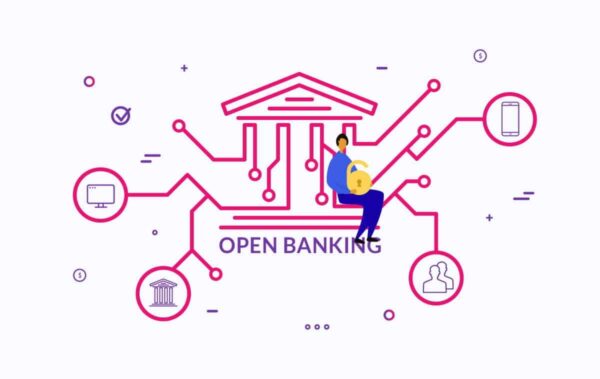
What is Open Banking? Open Banking, literally “banking system with open data”, is a new way of “banking” that encourages innovation and competition in the supply of financial services in order to create a more democratic banking environment, strengthen the protection of consumers and improve the security of digital payments.
Open Banking is a collaborative model that involves multiple market players (banks and Fintech companies) who share customer banking data (for example available balance, expense details, income, and expenses) through open technological platforms with the aim to improve the customer experience and offer users increasingly customized solutions.
With the introduction of PSD2, therefore, the financial ecosystem becomes more open and collaborative because banking institutions share the financial information of their customers, with their prior consent, with third parties (Third Party Provider-TPP) via open API (Application Programming Interface) that allow the exchange of data and information between banks and other service providers.
How are the APIs shared? Completely safely and exclusively under conditions approved by the customer himself. In fact, only the data authorized by the customer in accordance with the GDPR regulations are shared with third-party companies.
Increase the sales of your online store with Axepta’s new eCommerce solution and offer your customers a simple and effective payment experience, even with a smartphone
TPP and Open Banking: who are the Third-Party Providers?
Open Banking redesigns the financial market, outlining a competitive scenario that opens the doors to new players: the introduction of PSD2, in fact, requires banks’ APIs to be made available to third-party companies, in English Third-Party Provider (TPP), in order to offer users new and increasingly innovative services and products.
Let’s see what are the three new types of players at the base of Open Banking:
- Account Information Service Provider (AISP)
The acronym AISP indicates service providers who have access to customer banking information and are able to analyze user spending behavior, group information relating to periodic expenses, and aggregate banking data from several financial institutions in one platform.
- Payment Initiation Service Provider (PISP)
PISPs are service providers who have access to customers’ banking information and are able to withdraw money from the account and send a payment, subject to the user’s consent. In other words, these are services that can act as an intermediary between a customer who has to make a payment and his bank account.
- Card Issuer Service Provider (CISP)
CISPs are debit card-based payment service providers associated with a current account accessible online and linked to a credit institution other than the one that issued the card. These services are able to check if the availability of money on the customer’s card is sufficient to complete the transaction successfully. It is important to remember that the CISP is not able to verify the actual availability of the customer’s card, but only the remaining availability sufficient to complete the transaction in question.
What are the benefits of PSD2 for SMEs?
As we have already said, the application of the European PSD2 directive is transforming the traditional financial world which, with Open Banking, becomes more democratic and competitive, favoring innovation in the banking sector and increasing the level of security of digital transactions.
All this translates into advantages and opportunities even for small and medium-sized enterprises that can choose between products and services that meet their needs.
Let’s see what are the main benefits of PSD2 for SMEs:
- Wide choice of dedicated services
The access of third-party companies (TPP) to customer information allows us to offer solutions aimed at improving payment management and guarantees greater speed and efficiency of services.
- Increased level of security
Thanks to Strong Customer Authentication (SCA) and procedures for verifying user identity and authenticity of payment transactions, security is significantly enhanced.
- Improve the Customer Experience
The PSD2, in addition to increasing the transparency and security of online banking systems, simplifies the management of finances, improving the user experience of customers. In fact, by implementing an optimized payment system and checkout phase in your e-store, it is possible to offer the consumer a simpler shopping experience and increase sales.